by Amal Zadok
The agony of Gaza has become the most searing moral indictment of our age—a crisis where legal principles, international treaties, and sacred bonds stand engulfed by apathy and calculation. Since October 2023, the world has witnessed the systematic destruction of over 2.2 million Palestinian lives: more than 80,000 killed, thousands displaced and starving, and generations bombed into oblivion. As the violence escalates and the humanitarian nightmare deepens, the world’s response reveals a darkness at both its ethical and spiritual core.
While Western councils debate sanctions and statements, what stings most is the visible abandonment by the very nations that call themselves the Palestinian people’s brothers in faith—the Islamic world. Against the backdrop of soaring rhetoric about unity and justice, powerful countries like Saudi Arabia, the United Arab Emirates, Egypt, and Turkey have too often traded outrage for oil deals, closed borders, or the quiet comfort of diplomatic detachment. Their meetings produce photo-ops, not food convoys; proclamations, not protection.
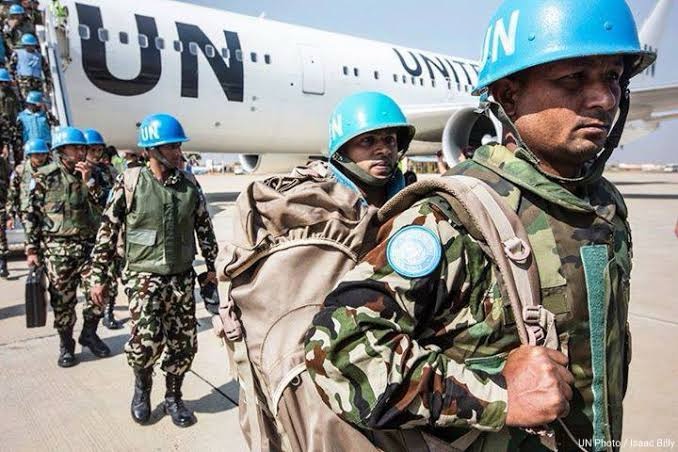
Under Chapter 7 of the United Nations Charter, the Security Council is vested with the authority to override national sovereignty and intervene when global peace and human dignity are at grave risk. What Gaza demands now is not the vagueness of resolutions but the unambiguous shield of a multinational protective force—one that unites Muslim legitimacy and Western might to safeguard lives, guarantee aid, restore infrastructure, and document war crimes. The mechanism exists, but the will is what’s missing.
It is plain for all to see: As Gaza hemorrhages, some of the mightiest Islamic nations have courted trade partners, signed normalization agreements, and even smothered access to humanitarian relief—witness Egypt’s gatekeeping at Rafah or the Gulf monarchies’ pragmatic silence. These are not sins of helplessness; these are the deliberate choices of power.
Legacy-rich countries, equipped with wealth and influence, have shrugged at the urgent pleas of their kin, failing not simply as diplomats but as human beings and, by the codes they profess, as Muslims.
Contrast this with what a real multinational force should be:
• A barrier to attacks and displacement, firmly separating civilians from violence.
• A lifeline of aid and medical access, ensuring basic dignity and halting the machinery of starvation.
• A catalyst to rebuild civil governance, empowering Palestinians to return home and reconstruct their shattered society.
• A watchful custodian of justice, holding perpetrators of atrocity to account and upholding international law with more than ink and signatures.
• A partnership of equals—Muslim and Western— to demonstrate that global civilization is defined by courage, not just commerce.
It must be said: the Qur’an does not counsel withholdings and applause for rhetoric; it commands the defense of the oppressed, unyielding in the face of injustice. Each day that passes without meaningful action from Muslim-majority governments is a day when that divine covenant is violated, and the Ummah’s claim of brotherhood is rendered a mirage.
History is unforgiving. The ledger of this hour will record not just the crimes of the aggressors, but the complicity of every government—Arab, Muslim, or otherwise—that let trade, convenience, or cynicism blot out the cries of Gaza’s children. They do not ask for more summits or polished speeches; they plead for a shield, a hand, and a hope.
In this late hour, the world no longer needs whispers of sympathy—it needs the roar of courage, especially from those who share in faith, wealth, and capacity.
The silence of Islamic power has become a betrayal too deep to be forgotten. If brothers will not protect their own, then brotherhood itself is broken.
Let this be the turning of the tide: not one more hour of complicity, not one more child lost to the easy refuge of neutrality. The blood of Gaza stains not only the hands of its attackers but also those who watched—and chose not to act. The burning, moral imperative is now.
©️2025 Amal Zadok. All rights reserved.
Subscribe and never miss an article!
 Think and be Free!
Leave a comment