by Amal Zadok
The relationship between Israel’s status as the “Chosen People,” the ongoing violence in Palestine, and divine judgment is addressed through a synthesis of Torah principles, historical context, and contemporary ethical debates. Below is a detailed analysis:
1. The Conditional Nature of “Chosenness” in Torah
- Covenant Requirements: Israel’s election is conditional on upholding justice, righteousness, and fidelity to God’s commandments (Deuteronomy 7:6–11). The Torah repeatedly warns that idolatry, oppression of the vulnerable (orphans, widows, foreigners), and bloodshed will lead to divine punishment, including exile and loss of the land .
- Prophetic Condemnation: Prophets like Jeremiah and Amos explicitly state that God rejects Israel’s worship when coupled with injustice. For example:
“You steal, murder, commit adultery… then come and stand before Me in this House… Has this House become a den of robbers?” (Jeremiah 7:9–11).
Social injustice is deemed a breach of covenant equivalent to idolatry .
2. Genocide as a Violation of Core Torah Principles
- Sacredness of Life: The Torah declares all humans b’tzelem Elohim (in God’s image), making intentional killing of innocents a grave sin (Genesis 9:6). The command to destroy Amalek (Deuteronomy 25:19) is historically contextualized as a specific response to unprovoked aggression, not a blanket endorsement of genocide. Rabbinical tradition limits this command by:
- Requiring peace offers first (Maimonides, Hilkhot Melakhim 6:1) .
- Allegorizing Amalek as “evil tendencies” rather than ethnic groups (Hasidic teachings) .
- Prohibition of Collective Punishment: Torah law forbids punishing children for parents’ sins (Deuteronomy 24:16). The killing of “infants and sucklings” in 1 Samuel 15:3 conflicts with this, leading scholars to question its literal interpretation or contextualize it within ancient Near Eastern hyperbolic war rhetoric .
3. Punishments Prescribed in Torah for Injustice and Bloodshed
- Exile and Land Rejection:
“You will be uprooted from the land… for having forsaken the covenant of the Lord” (Deuteronomy 29:24–27).
The Babylonian exile is framed as direct punishment for social oppression and idolatry (Jeremiah 22:3–5; Ezekiel 22:29) .
- Divine Withdrawal: Ezekiel depicts God’s presence (Shekinah) abandoning the Temple due to corruption and violence (Ezekiel 10:18) .
- “Blood Guilt”: Numbers 35:33–34 states that unabsolved bloodshed “pollutes the land,” making it “vomit out” its inhabitants. This is invoked when innocent life is systematically destroyed .
4. Contemporary Ethical and Theological Tensions
- Misuse of Amalek Rhetoric: Israeli officials and settlers have labeled Palestinians “Amalek” to justify expulsion or annihilation . South Africa’s ICJ genocide case cited Netanyahu’s Amalek reference as evidence of genocidal intent .
- Jewish Opposition: Over 100 rabbis in “Rabbis for Ceasefire” condemn the Gaza assault as a betrayal of Judaism:
“Violence begets violence… Our tradition commands: ‘Do not stand idly by the blood of your neighbor’” .
They emphasize pikuach nefesh (saving life overrides most commandments).
- Demographic Shifts: Polls show 82% of Israeli Jews support expelling Gazans, and 47% endorse biblical-style annihilation of enemy cities . This contrasts with pre-1948 Jewish teachings that mass return to Israel before the Messiah was sinful .
5. Can Israel Remain “Chosen” Amid Genocide?
Torah theology answers decisively: No. Divine favor is irrevocably tied to ethical conduct. The prophets stress that election is for service, not supremacy:
“I will make you a light to the nations, to open blind eyes and free captives” (Isaiah 42:6–7).
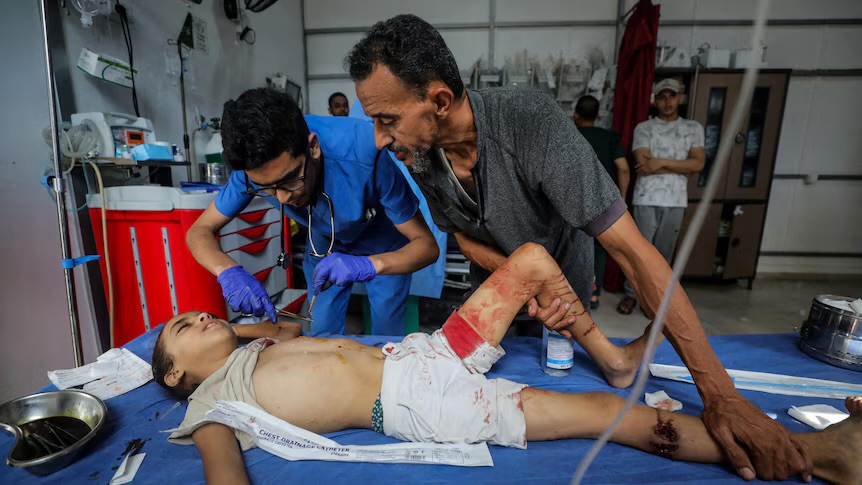
Systematic violence against Palestinians—described by scholars as meeting the UN genocide criteria through mass killing, starvation, and destruction of healthcare —violates this vocation. The Talmud warns:
“Whoever saves one life saves the world; whoever destroys one life destroys the world” (Sanhedrin 4:5).
Conclusion
Israel’s “chosenness” hinges on embodying divine justice. The Torah’s punishments for oppression (exile, land curse, divine abandonment) underscore that genocide or ethnic cleansing disqualifies Israel from its covenant role. As Rabbi Brant Rosen states:
“Never again means never again—for everyone” .
The path to restoration requires ceasing violence, upholding Palestinian dignity, and heeding Isaiah’s call:
“Learn to do right; seek justice. Defend the oppressed” (Isaiah 1:17).
©️2025 Amal Zadok. All rights reserved
 Think and be Free!
Leave a comment